Maria Terwiel
This paragraph will be 2-3 sentences about her, with few details.
Early Life
.jpg)
Maria Terwiel
Who she married, her childhood, etc.
The Red Orchestra
The Spanish brought chiles back to Europe, from Europe to Asia, and eventually chiles spread around the world. Within two centuries of Columbus, chiles were growing in India, Hungary, Korea, Thailand—places that now consider them indigenous, essential, defining.
This is one of history’s greatest ironies: the cuisines we think of as authentically Asian, Hungarian, or Indian all depend on a plant from the Americas. Today, more chiles are consumed in Asia than anywhere else on Earth, yet hardly anyone thinks of chiles as “Asian.”
The Southwest, however, kept them close. When Spanish settlers began colonizing New Mexico in the late 1500s, they brought cultivated chile varieties with them. These adapted to the high desert climate, the intense sun, the seasonal rains. Over centuries, New Mexico developed its own distinctive chile varieties.
Death and Legacy
The iconic red chile ristras of Northern New Mexico—strands of dried chiles hung to cure and age.
By the 18th and 19th centuries, chiles were so central to New Mexican cuisine that they weren’t just a spice—they were an identity marker. You could tell where someone was from by how they prepared chiles, what variety they grew, when they harvested.
Red versus green became almost a political and cultural statement. Families had chile-growing traditions stretching back generations. Towns developed reputations for particular varieties. The annual chile harvest was (and still is) treated with ceremonial importance.
When New Mexico became a U.S. state in 1912, one of its first instincts was to assert its uniqueness through food. Chile festivals emerged. Chile-growing competitions began. The chile became a symbol of regional pride—fiercer and more protective than almost any other ingredient anywhere.
The Chemistry of Heat and Culture
What makes chiles remarkable isn’t just their flavor, but their heat—the capsaicin that creates that burning sensation. This isn’t taste in the traditional sense; it’s pain. We’ve evolved to eat chiles despite the pain, even to crave it.
There’s psychology in this. The shared experience of eating something hot—the sweating, the laughing, the communal endurance—creates bonds. Chile-eating contests, chile-eating challenges, families bonding over who can handle the hottest salsa: this is social behavior built on a plant that literally tests your limits.
Modern Variations and Challenges
Today, New Mexican chiles face challenges. Climate change is shifting growing seasons. Industrial agriculture has made cheaper, flavorless chiles available everywhere, undercutting local farmers. Younger generations are moving away from rural areas where chiles have been grown for generations.
But there’s also a renaissance. Heirloom chile varieties are being preserved and celebrated. New restaurants are treating chiles with the seriousness of a wine vintage—specific growing regions, specific varieties, specific preparation methods.
The carousel below shows the diversity of modern chile culture:
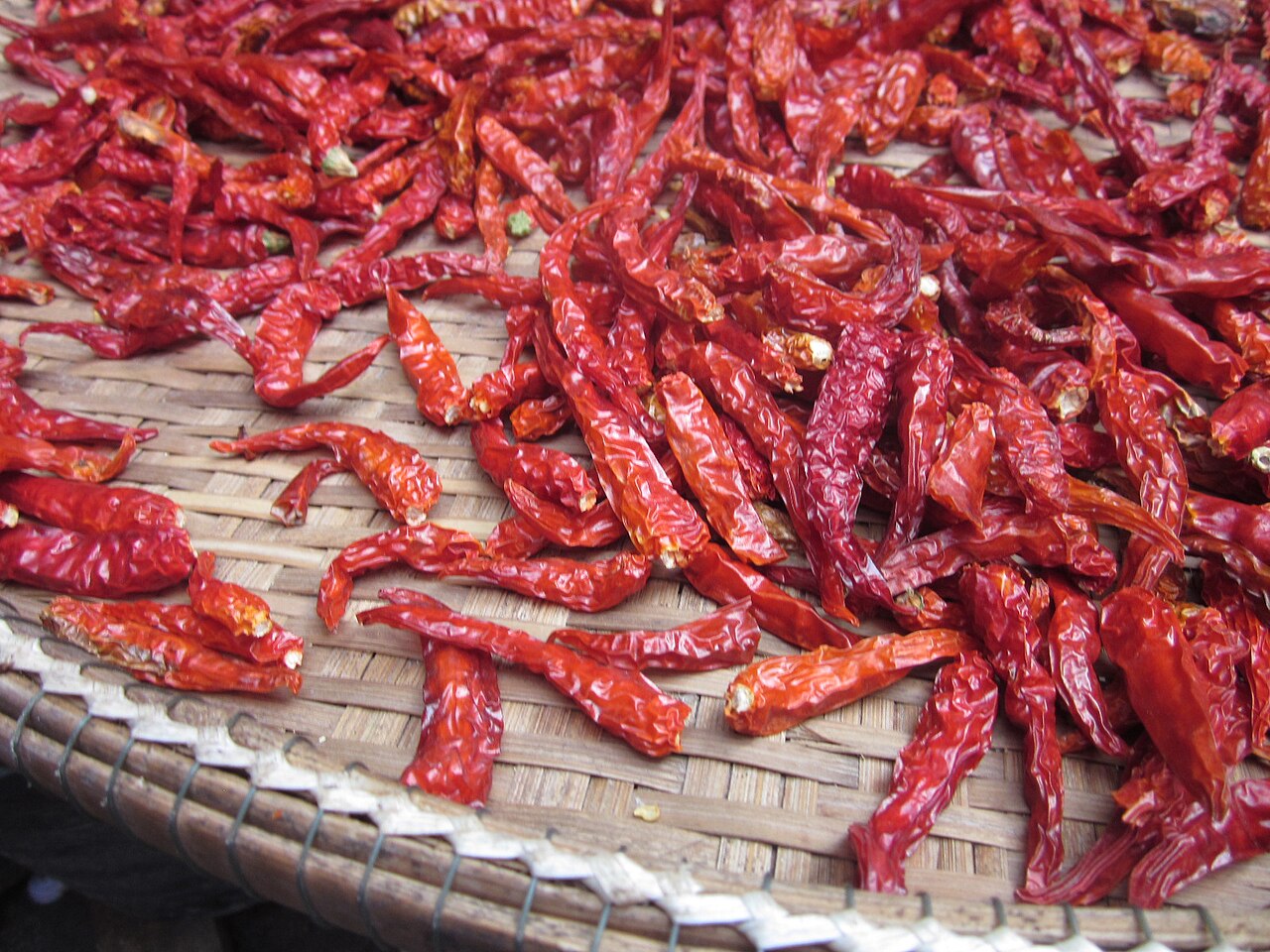
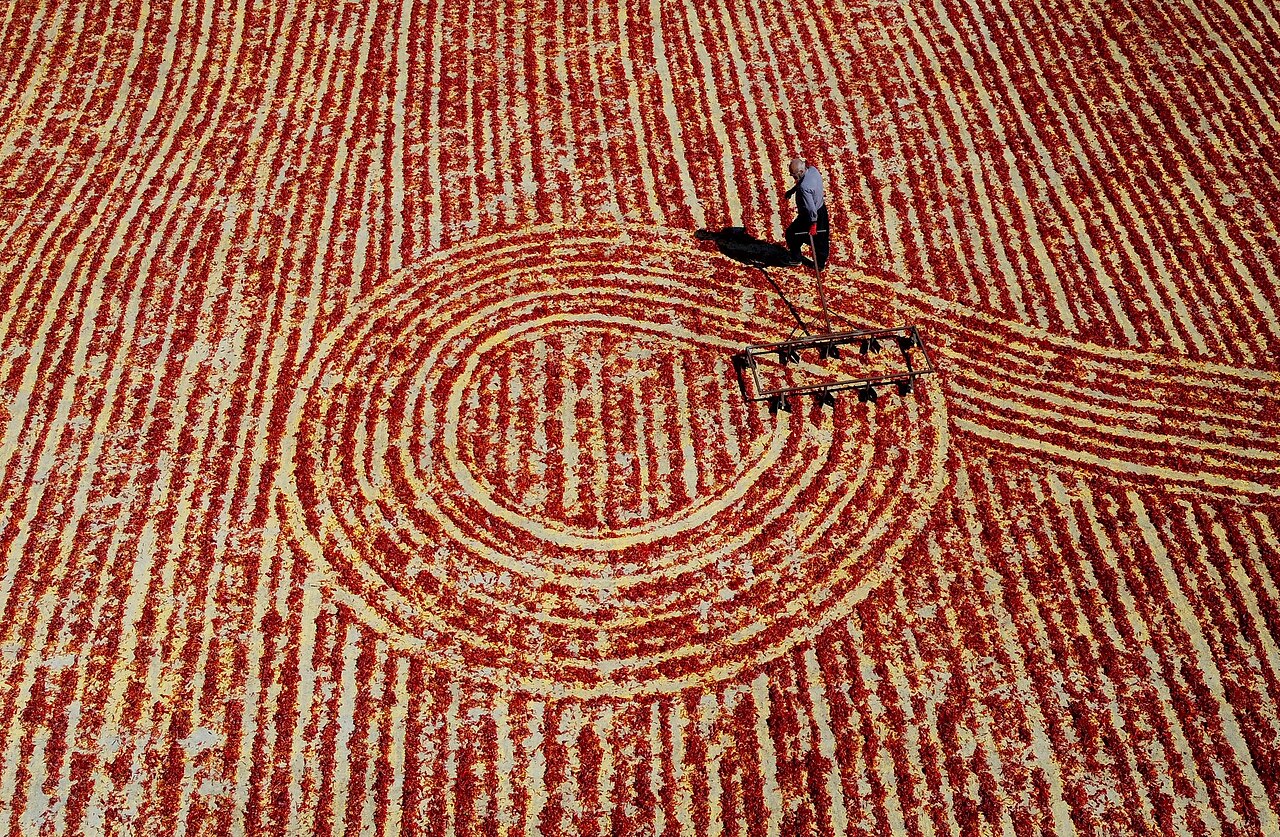
The varieties tell a story:
- Pueblo chiles: small, early, adapted to high elevations
- Spanish varieties: brought by colonists, adapted over centuries
- Hybrid modern varieties: bred for consistency and market appeal
- Heirloom preservation varieties: grown specifically to maintain genetic diversity
Each represents a different moment in the chile’s journey from wild plant to cultural icon.
The Future of Southwest Identity
As the Southwest changes—becoming more urban, more diverse, more connected to global food systems—what happens to the chile? Will it remain a marker of regional identity, or become just another ingredient?
The answer might be both. Chiles have always adapted. They adapted to every continent, every climate, every cuisine that adopted them. They adapted from wild plants to cultivated varieties to industrial agriculture to heirloom preservation. They’ve been spice, currency, medicine, ritual object, and comfort food.
Maybe that adaptability is the real story. Not the origin in Mexico or the spread through the world or the obsession in New Mexico, but the fact that a plant can be shaped and reshaped by human culture while still remaining fundamentally itself.
The heat remains. The flavor remains. The chile endures.
Further exploration: Taste different chile varieties if you can—fresh, roasted, dried. Visit a chile festival if you’re in the Southwest during harvest season. Ask family members about their chile traditions. The story of chiles is also the story of regional identity, of cultural pride, and of how food carries history in its flavor.